How I Turned Back Time with These Daily Moves
Aging doesn’t have to mean slowing down. I used to feel stiff, tired, and a step behind—but not anymore. After months of testing different routines, I found a systematic approach to movement that actually makes me feel younger. It’s not about intense workouts or magic fixes. It’s about smart, consistent exercise techniques that support your body’s natural strength and flexibility. This is what’s helping me stay energized, mobile, and confident—and it can work for you too.
The Hidden Truth About Aging and Movement
Many people accept stiffness, weakness, and slower movement as inevitable parts of aging. But research consistently shows that the decline many associate with growing older is more closely linked to inactivity than to time itself. While biological changes do occur with age, the body is remarkably adaptive. When movement becomes rare, the systems that support strength, balance, and joint function begin to weaken—not because of age, but because they are underused. This process, often mistaken as natural aging, is largely preventable.
One of the most significant changes that occurs with inactivity is sarcopenia, the gradual loss of muscle mass and strength. After age 30, adults can lose 3–5% of their muscle mass each decade, accelerating after 60. This isn’t just about appearance; muscle plays a vital role in metabolism, joint stability, and daily function. Without sufficient muscle, simple tasks like climbing stairs, carrying groceries, or rising from a chair become harder. Joint degeneration often follows, not because joints are “wearing out,” but because lack of movement reduces lubrication and weakens supporting tissues.
Another misconception is that rest and reduced activity protect the aging body. In reality, the opposite is true. The outdated advice to “take it easy” as you age can lead to a downward spiral of stiffness, fatigue, and increased fall risk. The body thrives on motion. Joints need movement to stay nourished, muscles require resistance to maintain strength, and balance depends on regular neuromuscular engagement. When these needs are unmet, the body interprets it as a signal to downscale function—leading to the very decline people hope to avoid.
Consider the story of a woman in her early 60s who, after years of avoiding exercise due to knee discomfort, began a gentle, consistent movement routine focused on strength and stability. Within four months, she regained the ability to walk without a cane, climb her home’s stairs without stopping, and play with her grandchildren without pain. Her transformation wasn’t due to surgery or medication—it was the result of reactivating her body’s natural capacity for resilience. This is not an isolated case. Thousands of individuals have reversed functional decline by simply reintroducing purposeful movement into their daily lives.
Why Exercise Is the Real Anti-Aging Tool
Exercise is often praised for its ability to maintain weight and heart health, but its true power lies in how it influences the body at a deeper, systemic level. It acts as a biological regulator, affecting cellular health, hormone balance, and inflammation—three key factors in how we age. Unlike cosmetic treatments or supplements, physical activity produces measurable, long-term changes that extend beyond appearance to enhance how we feel and function every day.
One of the most exciting areas of research involves mitochondria, the energy-producing structures within our cells. As we age, mitochondrial efficiency declines, leading to fatigue and slower recovery. Regular movement, especially strength and aerobic exercise, stimulates the creation of new mitochondria and improves their function. This means cells produce energy more effectively, which translates into greater stamina, mental clarity, and physical endurance. People who stay active often report feeling more alert and less drained by daily tasks—not because they’ve defied time, but because their cells are functioning more efficiently.
Another critical benefit involves telomeres, the protective caps at the ends of our chromosomes. Shortened telomeres are associated with cellular aging and increased risk of chronic disease. Studies have shown that individuals who engage in regular physical activity tend to have longer telomeres compared to sedentary peers of the same age. While the exact mechanisms are still being studied, the message is clear: movement helps preserve the biological markers of youth at the cellular level.
When comparing two individuals—one leading a sedentary lifestyle and the other maintaining a consistent, moderate exercise routine—differences become apparent within just a few years. The active person typically maintains better posture, experiences fewer aches, and retains the ability to perform daily tasks with ease. They sleep more soundly, recover faster from minor illnesses, and report higher levels of emotional well-being. These benefits are not limited to those who have exercised their whole lives. Adults who begin movement routines in their 50s, 60s, or even 70s still experience significant improvements in energy, mood, and physical capability.
The connection between movement and mental sharpness is also well-documented. Physical activity increases blood flow to the brain, supports the growth of new neural connections, and reduces inflammation linked to cognitive decline. Many women in midlife and beyond notice that regular exercise helps them stay focused, manage stress more effectively, and retain a sense of mental agility. This isn’t about preventing disease—it’s about enhancing quality of life. When movement becomes a consistent habit, the benefits compound over time, creating a foundation for aging not just gracefully, but powerfully.
The 4 Pillars of Anti-Aging Exercise (A Systematic Framework)
To make the most of exercise’s anti-aging potential, a balanced and sustainable approach is essential. Focusing on just one type of movement—like walking or stretching—is helpful, but not enough. A complete system includes four key components: Strength, Stability, Mobility, and Recovery. Each plays a distinct role in maintaining function, preventing injury, and supporting long-term vitality. Think of them as the four legs of a chair—remove one, and the whole structure becomes unstable.
Strength is the foundation. It refers to the ability of muscles to generate force, which is crucial for everything from lifting objects to maintaining independence. As muscle mass naturally declines with age, intentional strength training becomes necessary to counteract this loss. Without adequate strength, daily activities become more difficult, and the risk of falls increases. Strength is like the engine of a car—it powers movement and determines how far and how well you can go.
Stability is the steering system. It involves the small, often overlooked muscles that control balance and coordination. These include the core, pelvic floor, and stabilizing muscles around the joints. Good stability means you can stand on one leg, turn quickly, or walk on uneven surfaces without losing control. It’s what allows you to catch yourself if you trip and prevents injuries from small missteps. Without stability, even strong muscles can’t protect you from falls.
Mobility is the range of motion available in your joints. It’s different from flexibility, which refers only to muscle length. Mobility combines flexibility, joint health, and neuromuscular control. High mobility means you can reach into a high cabinet, tie your shoes without bending, or turn your head to check traffic while driving. It’s essential for maintaining independence and preventing pain caused by restricted movement. Think of mobility as the smoothness of your engine’s operation—without it, even a powerful engine will struggle.
Recovery is where healing and adaptation occur. It includes rest, sleep, hydration, and active recovery techniques like walking or gentle stretching. Many people overlook recovery, believing that more exercise always leads to better results. In reality, the body grows stronger during rest, not during the workout. Without proper recovery, the risk of injury increases, energy levels drop, and progress stalls. Recovery is like routine maintenance for a car—it keeps the system running smoothly and prevents breakdowns.
The beauty of this four-pillar system is that it can be adapted to any fitness level. Whether you’re just starting out or have been active for years, each component can be modified to match your current abilities. The goal isn’t to achieve perfection, but to create a sustainable routine that supports your body’s long-term health. By addressing all four areas, you build a resilient, capable body that can meet the demands of daily life with confidence.
Pillar 1: Strength – Rebuilding Your Foundation
Muscle is more than just physical power—it’s metabolic armor. It plays a critical role in regulating blood sugar, burning calories at rest, and protecting joints from strain. As muscle mass decreases with age, metabolism slows, fat accumulation increases, and joint stress rises. Strength training reverses this trend by stimulating muscle growth and improving overall body composition. The good news is that it doesn’t require heavy weights or gym memberships. Simple, effective techniques can be done at home with minimal equipment.
Bodyweight squats are an excellent starting point. They engage the large muscles of the legs and glutes, which are essential for standing, walking, and climbing stairs. To perform a squat, stand with feet shoulder-width apart, lower the hips as if sitting into a chair, then return to standing. For those with knee concerns, the movement can be modified by reducing depth or using a chair for support. Over time, increasing repetitions or adding light resistance builds strength safely.
Resistance bands are another versatile tool. They provide variable tension and can be used for exercises like banded rows, shoulder presses, and leg abductions. Unlike free weights, bands are gentle on the joints and allow for smooth, controlled movements. A simple banded row, performed while seated or standing, strengthens the upper back and improves posture—helping counteract the forward slump that often develops with age.
Modified push-ups are effective for building upper body strength. Instead of performing them on the floor, they can be done against a wall or kitchen counter. This reduces strain while still engaging the chest, shoulders, and arms. As strength improves, the surface can be lowered to increase difficulty. The key is consistency—performing these exercises 2–3 times per week allows muscles to adapt and grow stronger over time.
Progression should be gradual. Increasing resistance, adding repetitions, or extending the time under tension (how long the muscle is working during each rep) are all effective ways to build strength without injury. For example, holding the bottom of a squat for a few extra seconds increases muscle engagement. The goal is not to push to exhaustion, but to challenge the muscles in a controlled way. Over weeks and months, these small efforts add up to noticeable improvements in daily function—carrying laundry, gardening, or playing with grandchildren becomes easier and less tiring.
Pillar 2: Stability – The Forgotten Anti-Aging Secret
Stability is often overlooked, yet it’s one of the most important predictors of long-term mobility and independence. It refers to the body’s ability to maintain control during movement and stillness. This is governed by the core muscles, pelvic floor, and small stabilizing muscles around the ankles, knees, and hips. These muscles don’t create big movements, but they prevent wobbling, improve balance, and protect joints from injury. Without stability, even strong muscles can’t keep you upright when you step on an uneven surface.
Simple exercises can significantly improve stability. A single-leg stand, for example, challenges balance and strengthens the muscles that keep you steady. Stand behind a chair, hold on lightly for support, and lift one foot off the ground. Hold for 20–30 seconds, then switch sides. As balance improves, the support can be reduced or the eyes closed to increase difficulty. This exercise directly translates to real-life benefits—fewer stumbles, greater confidence on stairs, and better control during quick movements.
Heel-to-toe walks, also known as tandem walking, are another effective stability drill. Walk in a straight line, placing the heel of one foot directly in front of the toes of the other. This narrow base of support forces the body to engage stabilizing muscles and improves coordination. It’s a simple test of balance that many use in clinical settings to assess fall risk. Practicing it regularly can reduce that risk significantly.
Plank variations build core stability. A forearm plank, performed on the knees if needed, teaches the body to maintain a neutral spine while resisting gravity. Holding this position for 20–30 seconds strengthens the deep abdominal muscles, lower back, and shoulders. Over time, the duration can be increased. Stability isn’t just about formal exercises—it can be integrated into daily life. Standing on one leg while brushing your teeth, rising from a chair without using your hands, or walking heel-to-toe down a hallway all reinforce balance and coordination.
The real benefit of stability training is fall prevention. Falls are a leading cause of injury among older adults, often resulting in fractures, loss of independence, and reduced quality of life. By improving neuromuscular control, stability exercises help the body react quickly to slips or missteps. They also enhance confidence, allowing individuals to move through the world with greater ease and less fear. Stability isn’t flashy, but it’s foundational—like the unseen frame of a house, it keeps everything else standing strong.
Pillar 3: Mobility – Moving Freely at Any Age
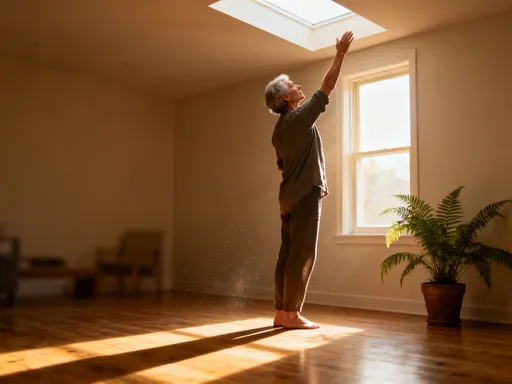
Mobility is the ability to move your joints through their full range of motion with control. It’s different from flexibility, which refers only to how long your muscles can stretch. Mobility includes joint health, muscle elasticity, and the nervous system’s ability to coordinate movement. High mobility means you can reach overhead, bend down to tie your shoes, or turn your head to back out of a driveway—all without pain or restriction. It’s essential for maintaining independence and preventing the stiffness that many associate with aging.
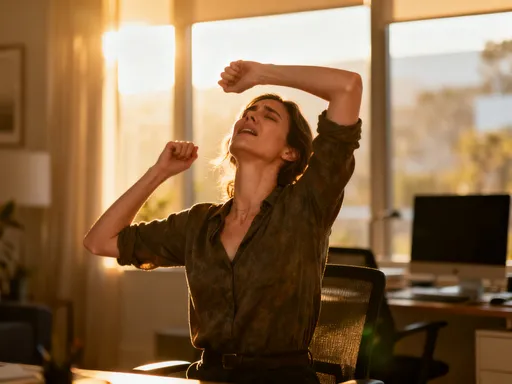
Gentle, daily mobility exercises can make a profound difference. Joint circles, for example, involve moving each joint—wrists, elbows, shoulders, ankles—through small circular motions. This increases circulation to the joint, lubricates the tissues, and maintains range of motion. These movements can be done in the morning or before bed and take just a few minutes. They are especially helpful for those who spend long hours sitting, as inactivity can cause joints to stiffen over time.
The cat-cow stretch, performed on hands and knees, gently mobilizes the spine. Inhale as you arch the back (cow), lifting the head and tailbone. Exhale as you round the spine (cat), tucking the chin and pelvis. This rhythmic movement improves spinal flexibility, relieves tension, and enhances coordination between breath and motion. For those who cannot get on the floor, a seated version—arching and rounding the back while sitting in a chair—provides similar benefits.
Seated spinal twists are another effective mobility exercise. Sit tall, place one hand on the opposite knee, and gently rotate the torso. This movement improves rotation in the spine, which is essential for everyday actions like looking behind you while driving or reaching for something on a high shelf. Holding the twist for 20–30 seconds on each side encourages relaxation and increases joint mobility over time.
Incorporating mobility into daily routines ensures consistency. A five-minute session in the morning can wake up the joints and prepare the body for the day. A gentle routine before bed can release tension and improve sleep quality. Over weeks, these small efforts lead to greater ease of movement, reduced stiffness, and improved posture. The long-term payoff is a body that feels fluid, responsive, and capable—able to meet life’s physical demands without pain or limitation.
Pillar 4: Recovery – Where Healing Happens
Recovery is not passive—it’s an active part of the anti-aging process. This is when the body repairs muscle tissue, reduces inflammation, and consolidates the benefits of exercise. Without adequate recovery, the body remains in a state of stress, which can lead to fatigue, soreness, and increased injury risk. Rest is not a sign of weakness; it’s a necessary investment in long-term health. True recovery includes quality sleep, proper hydration, and active techniques that support circulation and relaxation.
Sleep is the most powerful recovery tool. During deep sleep, the body releases growth hormone, repairs tissues, and balances stress hormones. Adults over 40 often need more sleep than they realize—7–9 hours per night is ideal. Poor sleep accelerates aging by increasing inflammation and impairing cognitive function. Establishing a consistent bedtime routine, limiting screen time before bed, and creating a dark, quiet sleep environment can significantly improve sleep quality.
Hydration supports every bodily function, including muscle recovery and joint lubrication. As we age, the sensation of thirst diminishes, making it easier to become dehydrated. Drinking water throughout the day—especially after exercise—helps maintain energy levels, prevents cramps, and supports overall health. Herbal teas and water-rich foods like cucumbers and melons also contribute to hydration.
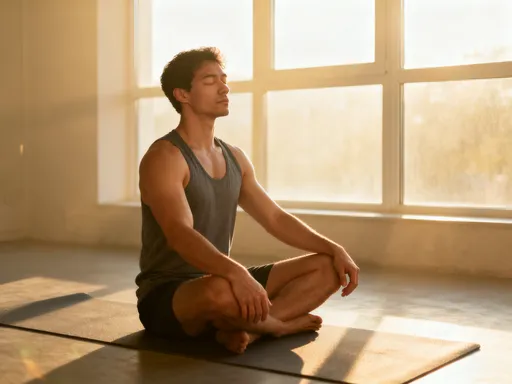
Active recovery techniques include light walking, foam rolling, and breathing exercises. A 10–15 minute walk on rest days increases blood flow to muscles, helping to clear metabolic waste and reduce stiffness. Foam rolling, using a firm cylinder on the floor, can release tightness in the legs, back, and shoulders. Gentle pressure applied slowly allows muscles to relax without strain. Breathing exercises, such as diaphragmatic breathing, activate the parasympathetic nervous system, reducing stress and promoting relaxation.
Listening to your body is essential. Signs of overtraining include persistent soreness, irritability, trouble sleeping, and decreased performance. These are signals to rest, not push harder. Productive effort feels challenging but manageable, with energy returning within a day or two. Recovery is not the opposite of progress—it’s the foundation of it. By honoring the body’s need for rest, you create the conditions for lasting strength, resilience, and vitality.
Putting It All Together: A Realistic Weekly Plan
Integrating the four pillars into a weekly routine doesn’t require hours of exercise. A balanced plan of 30–45 minutes per day, five to six days a week, is both effective and sustainable. The key is consistency, not intensity. Here’s a sample schedule: On Monday, focus on strength (bodyweight squats, resistance band rows, modified push-ups) and include 5 minutes of joint mobility. Tuesday can emphasize stability (single-leg stands, heel-to-toe walks, planks) and end with gentle stretching. Wednesday might be a recovery day with light walking, foam rolling, and breathing exercises.
Thursday can combine strength and mobility—squats followed by cat-cow and spinal twists. Friday is ideal for stability and active recovery, such as a longer walk with balance challenges like stepping over cracks or walking on grass. Saturday can be a full-body session, blending all four pillars in a circuit format. Sunday can be a rest day or gentle movement like gardening or stretching.
This plan is flexible. If energy is low, reduce intensity or shorten the session. If time is limited, focus on one pillar per day. The goal is progress, not perfection. Tracking progress should focus on how you feel—energy levels, ease of movement, confidence—not just weight or appearance. Many women notice they can carry groceries more easily, play with grandchildren longer, or wake up without stiffness.
Aging well isn’t about looking younger—it’s about living fully. It’s about having the strength to carry life’s loads, the stability to move with confidence, the mobility to enjoy daily activities, and the recovery to sustain it all. This approach isn’t a quick fix; it’s a lifelong commitment to honoring your body’s needs. By making movement a consistent part of your life, you’re not turning back time—you’re moving forward with strength, grace, and vitality.