I kept saying 'I'll track my health tomorrow'—this cloud app finally made it effortless
How many times have you promised yourself you’d start monitoring your health, only to forget by noon? You’re not alone. Between work, family, and daily chaos, keeping up with fitness goals or doctor’s visits feels impossible. But what if your phone could quietly save every step, symptom, or sleep pattern—without extra effort? I discovered a simple way to let technology do the heavy lifting, using something we already rely on every day: cloud file storage. It didn’t require downloading anything new, signing up for a subscription, or learning complicated tools. Just a small shift in how I used the apps already on my phone. And honestly? It changed everything.
The Moment I Realized My Health Was Slipping Away
I remember sitting in the doctor’s office last spring, feeling more tired than I had in years. My youngest had just started kindergarten, my oldest was adjusting to middle school, and I was juggling a part-time job, meal planning, and trying to keep up with my mom’s care as she recovered from surgery. I hadn’t slept through the night in months. When the nurse asked, “How would you rate your energy level?” I paused. I didn’t know. When was the last time I felt truly rested? I couldn’t remember.
That moment hit me like a wave. I wasn’t just tired—I was disconnected from my own body. I’d been so focused on taking care of everyone else that I hadn’t paused to check in with myself. The doctor reviewed my blood work and gently said, “Your labs are mostly normal, but chronic fatigue isn’t something to ignore.” I nodded, but inside I felt guilty. I knew I should be doing more—tracking my symptoms, exercising, eating better—but every time I tried, it fell apart within a week. I downloaded apps, filled out journals, even made colorful spreadsheets. But life got busy, and I’d forget to log anything. Or I’d lose track of where I saved my notes. The cycle repeated: start strong, lose steam, feel defeated.
What I didn’t realize then was that the problem wasn’t my motivation. It wasn’t that I didn’t care. The real issue was the system—or lack of one. I was asking myself to do extra work every single day, on top of everything else. And when you’re already stretched thin, even small tasks feel overwhelming. I needed a way to track my health that didn’t add to my load. Something that worked with my life, not against it.
Why Traditional Tracking Fails Us (And How We Keep Repeating the Cycle)
We’ve all been told that tracking our health is important. Keep a food journal. Log your steps. Monitor your mood. But how many of us actually stick with it? The truth is, most people give up within a few weeks. And it’s not because we’re lazy or undisciplined. It’s because the methods we’re told to use don’t fit real life. Think about it: how many apps have you downloaded, used for three days, and then abandoned? How many notebooks have you started, only to lose them in a drawer or forget to write in them?
The problem isn’t our willpower—it’s the friction. Every time you have to open an app, remember a password, or manually enter data, you’re adding a tiny hurdle. And when you’re exhausted after a long day, even a small hurdle feels like a wall. That’s why so many of us say, “I’ll start tomorrow,” but never actually do. We want to care for ourselves, but the tools we’re given make it harder, not easier.
Another big issue is fragmentation. Your food log is in one place, your workout notes in another, your doctor’s advice scribbled on a sticky note in your purse. Maybe you took a photo of a lab result but can’t find it now. This scattered approach doesn’t give you clarity—it creates confusion. You end up feeling more overwhelmed, not less. And when you can’t see the full picture, it’s hard to make meaningful changes.
What we need isn’t more motivation. We need better systems—ones that work quietly in the background, requiring almost no effort. The key isn’t to try harder. It’s to make it easier. And that’s exactly what I found when I stopped looking for a new app and started rethinking how I used the tools I already had.
The Tech Tool We Already Use—But Never Thought to Use This Way
One evening, while uploading family photos to Google Drive, it hit me: I was already using cloud storage every day. I saved recipes, scanned documents, and backed up videos without thinking about it. My phone did most of the work automatically. So why wasn’t I using it for my health?
Cloud storage—whether it’s Google Drive, iCloud, or Dropbox—is more than just a digital filing cabinet. It’s a secure, always-accessible space where you can store anything: photos, voice memos, PDFs, notes, even screenshots. And the best part? It syncs across all your devices. That means if you save something on your phone, it’s instantly available on your tablet or laptop. No logging in, no extra steps. Just seamless access.
I realized I could turn my cloud into a personal health timeline. Instead of relying on memory or scattered notes, I could create a single, organized system where everything was in one place. No more guessing if I took my vitamins. No more struggling to remember when my last headache was. Every piece of data—big or small—could be saved automatically, with almost zero effort on my part.
The beauty of this approach is that it doesn’t require learning new software or changing your routine. You’re not adding another app to your phone. You’re simply using what you already know how to do—saving files—in a smarter way. And because it’s so simple, it actually sticks. I started small: creating a folder called “Health” and adding subfolders for different areas of my life. Within days, it became second nature.
Step-by-Step: Building Your Silent Health Tracker in 20 Minutes
Setting this up took me less than twenty minutes, and I promise—it’s easier than you think. Here’s exactly how I did it, step by step, so you can do it too.
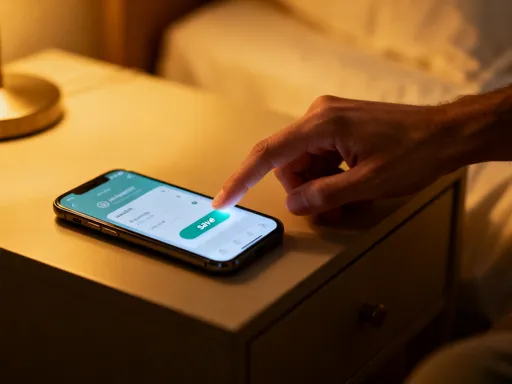
First, I opened Google Drive (you can use iCloud or Dropbox if you prefer) and created a main folder called “My Health.” Inside that, I made subfolders: “Symptoms,” “Workouts,” “Doctor Visits,” “Medications,” and “Sleep.” I kept the names simple so I could remember where to save things. Then, I turned on auto-upload for my phone’s camera. Now, every photo I take—whether it’s a screenshot of my fitness tracker or a picture of my grocery receipt—backs up automatically to the cloud.
Next, I started using consistent file names. For example, instead of saving a photo as “IMG_1234,” I renamed it with the date, symptom, and severity: “2024-04-10-headache-mild.jpg.” This made it easy to search later. If I wanted to see all my headache logs from April, I just typed “headache” in the search bar, and there they were. No scrolling, no guessing.
I also began using voice memos for quick updates. After a tough workout, I’d record a 30-second note: “April 12—felt strong during cardio, but knee ached afterward.” Then I’d save it directly to my “Workouts” folder. Most phones let you do this with just a few taps. No typing, no stress.
For doctor visits, I started taking photos of my lab results, prescriptions, and notes from the appointment. I saved them in the “Doctor Visits” folder with the date and reason for the visit. Now, when I have a follow-up, I can pull up everything in seconds. No more digging through paper files or trying to remember what the doctor said.
The key to making this work is consistency with minimal effort. You don’t have to log everything perfectly. Just save what feels important in the moment. Over time, these small actions build a clear, searchable history of your health—without you having to do extra work.
Real Life Benefits: What Changed for Me (And Can for You)
Within a few weeks, I started noticing patterns I’d never seen before. I realized that on days I skipped breakfast, my afternoon fatigue was much worse. I spotted a connection between screen time after 8 PM and restless sleep. And when I had a follow-up with my doctor, I was able to show her a timeline of my headaches over the past two months. She was impressed—and more importantly, she could see what I couldn’t: a pattern linked to stress and dehydration.
Having this record made our conversation more productive. Instead of saying, “I think I get headaches sometimes,” I could say, “I’ve had seven mild headaches since March, mostly on days when I didn’t drink enough water.” That kind of clarity led to real advice—not guesswork. She suggested a simple hydration tracker and a few dietary tweaks, and within three weeks, my headaches decreased significantly.
But the biggest change wasn’t physical—it was emotional. For the first time in years, I felt in control. I wasn’t waiting for a crisis to pay attention to my health. I wasn’t relying on memory or guilt. I had proof that I was showing up for myself, even in small ways. That sense of peace was priceless.
I also found it easier to communicate with my family. When my sister asked how Mom was doing, I could quickly pull up her recent visit notes and share them securely. When my daughter wanted to know if I’d been exercising, I showed her my workout logs. It became a way to model self-care—not just talk about it.
And the best part? It didn’t take more time. In fact, it saved me time. No more frantic searches for lost notes. No more second-guessing. Just calm, clear information at my fingertips.
Keeping It Going—Without the Burnout
The reason this system has lasted for over a year is that it’s designed for real life. I didn’t aim for perfection. Some days, I forget to log anything. And that’s okay. The goal isn’t to track every single detail—it’s to make it easy enough that you’ll keep going, even on busy days.
One trick that helped me was pairing the habit with something I already do. Right after I finish a workout, I take a screenshot of my fitness tracker and save it. While my coffee brews in the morning, I quickly scan any health notes from the night before. These tiny moments add up without adding stress.
I also set a gentle reminder once a week to review my folders. Every Sunday evening, I spend five minutes looking through the week’s logs. It’s not about judgment—it’s about awareness. Did I sleep well? Did I manage my stress? What worked? What didn’t? This small check-in helps me adjust before things spiral.
Privacy was another concern at first, but I quickly realized my cloud is more secure than a notebook on my nightstand. I use a strong password and two-factor authentication, and I only save information I’d feel comfortable sharing with my doctor. I don’t post anything online or share files publicly. This is my personal record—private, safe, and always accessible to me.
Remember, this isn’t about adding another task to your list. It’s about working smarter. When a system feels light and simple, you’re more likely to stick with it. And consistency—even imperfect—leads to real results over time.
More Than Data—Rediscovering Peace of Mind
What started as a simple way to track symptoms has become something much deeper. It’s become a daily act of self-respect. Every time I save a file, I’m saying, “I matter. My health matters.” It’s not about chasing perfection or hitting fitness goals. It’s about showing up for myself, quietly and consistently, in a way that fits my life.
For so long, I thought self-care meant grand gestures—weekend retreats, expensive supplements, hours at the gym. But the truth is, the most powerful changes come from small, sustainable habits. Saving a voice memo. Naming a file. Taking a photo. These tiny actions, done regularly, build a foundation of awareness and care that no app can give you on its own.
This system didn’t just help me understand my body better. It helped me feel calmer, more confident, and more connected to my own needs. I’m not waiting for a wake-up call anymore. I’m already awake—because I’ve given myself the tools to listen.
If you’ve ever said, “I’ll start tomorrow,” I want you to know: you don’t need more willpower. You need a better way. And that way might already be on your phone, waiting to be used. Start with one folder. Save one note. Build from there. You don’t have to do it all at once. Just begin. Because your health isn’t something to track someday. It’s something to honor, today—one saved file at a time.